Funga Mwaka Kijanja.....Talii
Our Mission is the sustainable conservation of natural resources and antiquities for the benefit of current and future generations and promoting the development of tourism.

Minister of Natural Resources and Resources

Deputy Minister of Natural Resources and Tourism

Permanent Secretary Ministry of Natural Resources and Tourism

Deputy Permanent Secretary Ministry of Natural Resources and Tourism -
Tourism

Deputy Permanent Secretary Ministry of Natural Resources and Tourism -
Conservation
Minister of Natural Resources and Tourism

Deputy Minister of Natural Resources and Tourism

Permanent Secretary - Ministry of Natural Resources and Tourism

Deputy Permanent Secretary Ministry of Natural Resources and Tourism - Tourism

Deputy Permanent Secretary Ministry of Natural Resources and Tourism - Conservation
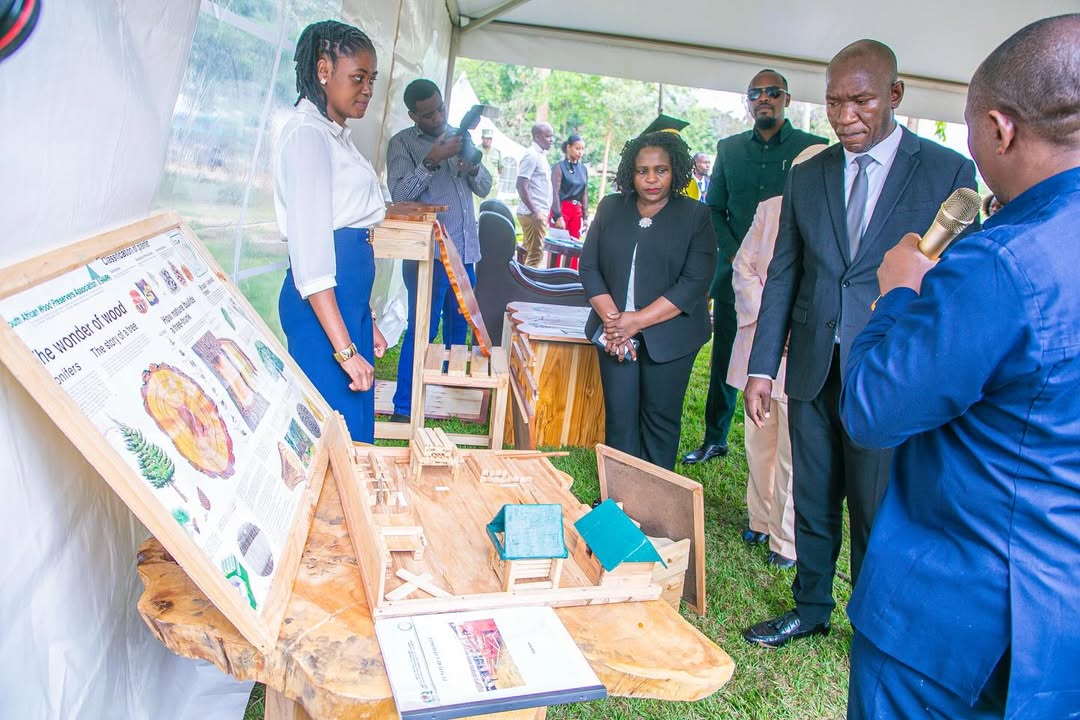
Naibu Katibu Mkuu, Bw. Nkoba Mabula akikagua kazi za Mikono...
Read MoreHakuna kilichosimama, Watalii waendelea kumininika Tanzania

Read MoreUkaguzi wa Mifumo ya Utumishi Wizara ya Maliasili na Utalii

Read MoreThe Ministry of Natural Resources and Tourism of the United Republic of Tanzania is legally mandated to oversee an estimated area of approximately 307,800 square kilometers, which is equivalent to 32.5% of the country’s total land area. These areas include 21 national parks, the Ngorongoro Conservation Area, 29 game reserves, 23 game-controlled areas, and 38 Wildlife Management Areas (WMAs), of which 24 are approved while the rest are at various stages of approval. Additionally, there are three wetlands designated under the Ramsar Convention, 464 natural forest reserves, 25 environmental protection forest reserves, 24 government forest plantations, 14 bee reserves, 142 heritage sites, and 7 national museums.

Sustainable conservation of natural resources and antiquities for the benefit of current and future generations as well as promoting the development of tourism.
To lead in Africa in the conservation of natural resources and antiquities for social and economic development.
The government through the Tanzania Forestry Services Agency (TFS) manages forest reserves that are not in the village authorities.
Legally protected areas are scattered across various ecosystems and vary in conservation status depending on the type of use of the area concerned.
The history of antiquities conservation began in 1937 when the Law was established Preservation of Historical Buildings (Monument Preservation Ordinance, 1937).
The government through the Tanzania Forestry Services Agency (TFS) manages forest reserves that are not in the village authorities.
Legally protected areas are scattered across various ecosystems and vary in conservation status depending on the type of use of the area concerned.
The history of antiquities conservation began in 1937 when the Law was established Preservation of Historical Buildings (Monument Preservation Ordinance, 1937).